

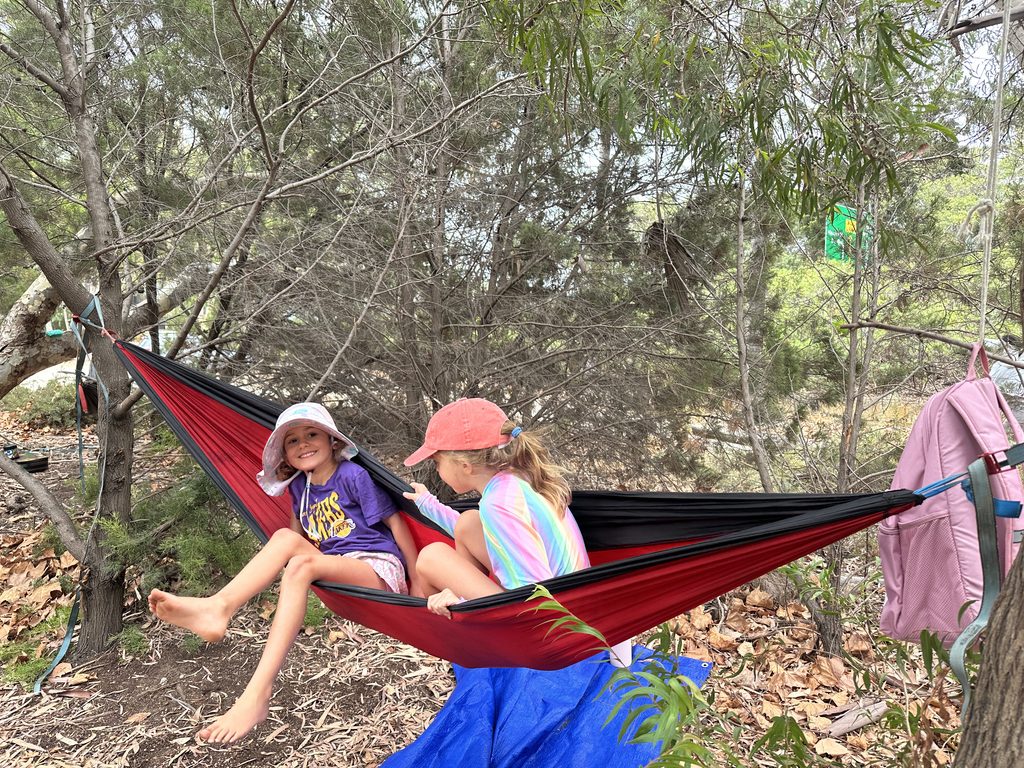
They are trying, some of the early learning centres to be more nature focused. Centres are putting in trees, mulch and playground of wood. The children here are still seeking out the wild. That feeling of being surrounded by nature. Enveloped in the green of trees, shrub and grasses. The cool air that sits low to the ground where the toddlers are when they sit, explore or run, the cool air that only exists when shaded by trees and above the moist earth and vegetation.
Softening the Surrounding Environment
In modern early learning centres, landscape designers and architects are planting vegetation in strips along fences. This aids in softening the space between where children play and the harsh sensory environment outside of bitumen, concrete, metal cars, engine noises, other industrial and commercial noise, and hot sun.
Many early learning centres are positioned in places that aid in advertising, being visible on major roads or in major shopping centres. They are in locations easy for parents to get to and are on land that is either more financially efficient or where development codes allow.
Disconnect Between Centres and Their Environment
This can cause a disconnect between the stimulation we desire for children to grow up with and the stimulation they receive from the surrounding environment.
Early learning educators are not able to control where centres are built and what is built around them, although we can advocate for better placement. However, we can soften the spaces we have and be aware of how the environment affects children in our care.
Creating Diversity Through Nature
One centre we have visited recently, has the fridge garden, relatively recently planted with peppermint and paperbark trees as the growing canopy and salt bush, zinnias and prostrate casuarinas as ground cover over pine mulch. The educators told us that this was the favourite place of the children. The toddlers preferred to be in this strip of wildness over the astro-turf with obstacle climbing frames or sandpit of pristine white sand.
This space provided more diversity that the monoculture of texture elsewhere. Even with additional materials put out on mats by the educators, these can sometime also be a monoculture of wooden or plastic blocks in various shapes.
Loose Parts, Creativity and Curiosity
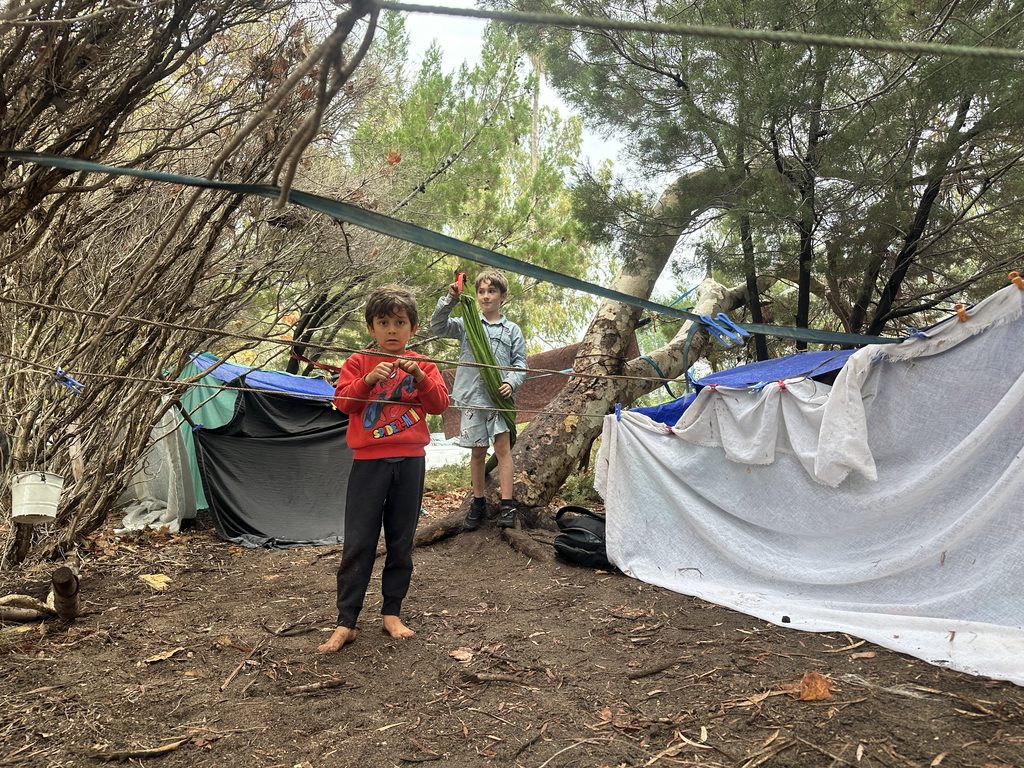
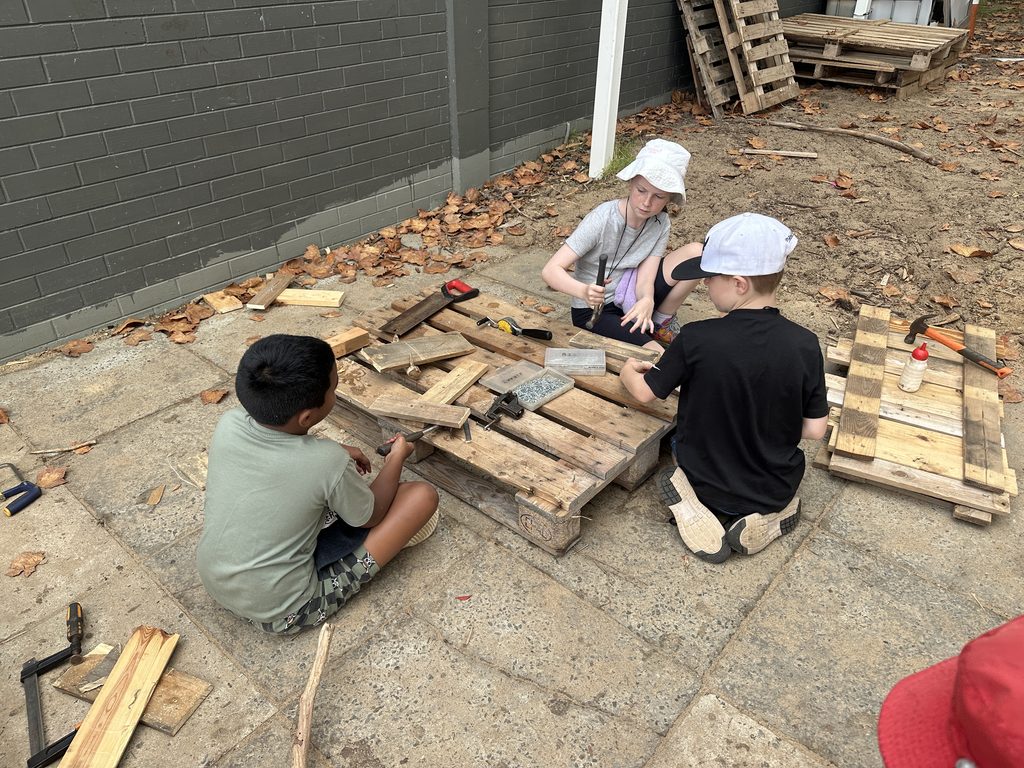
Loose parts theory is states that creativity increases with the amount of diversity in the resources provided. Creativity is one of the desirable 21st century skills and at its essence is the combination of different stimuli to create or invent something new. Children and educators can get bored by combining sand and plastic buckets or rectangle block with rectangle block all the time, and new elements need to be provided to increase opportunities for combination for creativity as well as novel materials for inquisitive inquiry and curiosity.
Sensory Awareness and Self-Regulation
During summer in Perth (Birak and Bunuru), the effect of surrounding temperature impacts on the amount of energy that children have for curiosity and creativity as well as self regulation. Children are much lower to the ground than we are as adults, they feel the heat rising from astroturf way before we do but are still developing the skills to notice the heat and the sensations in their body and actions they can do to naturally cool down. Some children instinctively feel this and have learnt how to respond before others.
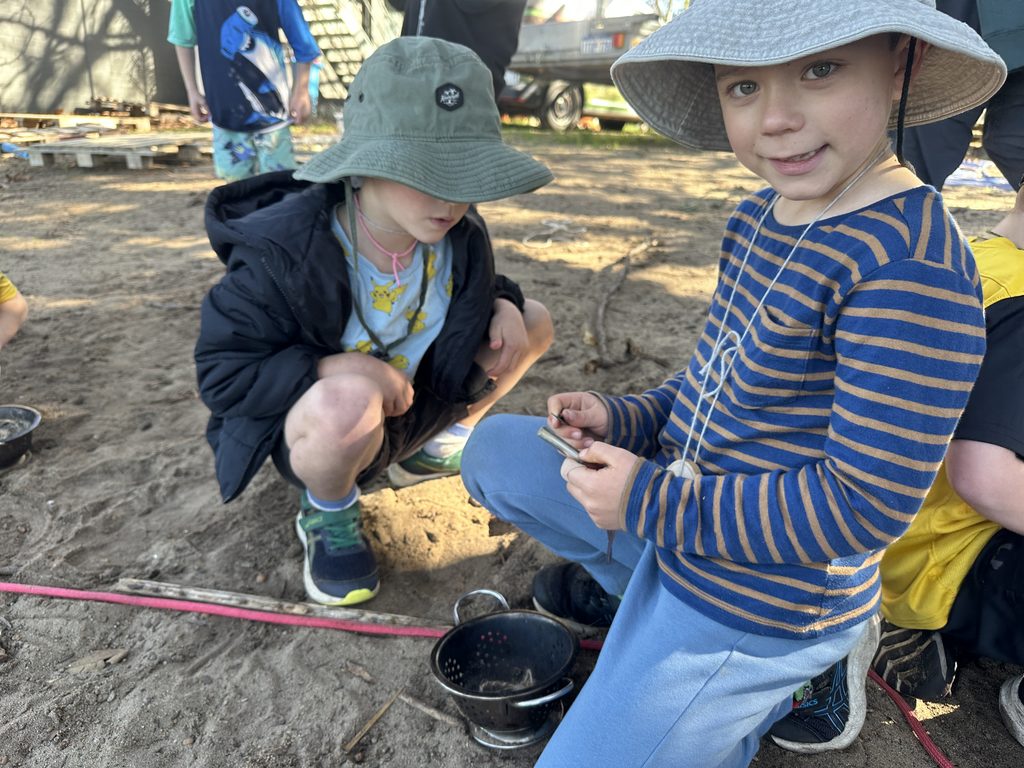
Next time you are with young children, observe the following. If the group is in one spot, and one or two children wander off somewhere else, where are they going? Does that place have a different level of shade or surface? Are they moving to seek diversity to keep their minds and bodies active? Are they moving to seek a different temperature or other sensory input? Move with them, what do you sense in this different space? Take your shoes off. What else can you sense through your feet?
When we take our shoes off, we open up another part of our body to sense what is happening closer to the ground. If we are wearing long pants, we can miss what young children are feeling at their level.